
Kitchen Countertops in busy households are subject to continuous exposure to heat due to cooking, baking, and serving activities. It is quite common that hot pans, slow cookers, and baking trays directly come into contact with the surface, sometimes unconsciously. Therefore, heat resistance has become one of the top concerns for homeowners in 2025 and 2026. Picking the right material is a major factor to help keep the surface from cracking, discoloration, and other types of damages in the long run.
Grasping the Concept of Hot Pans on Quartz vs Granite
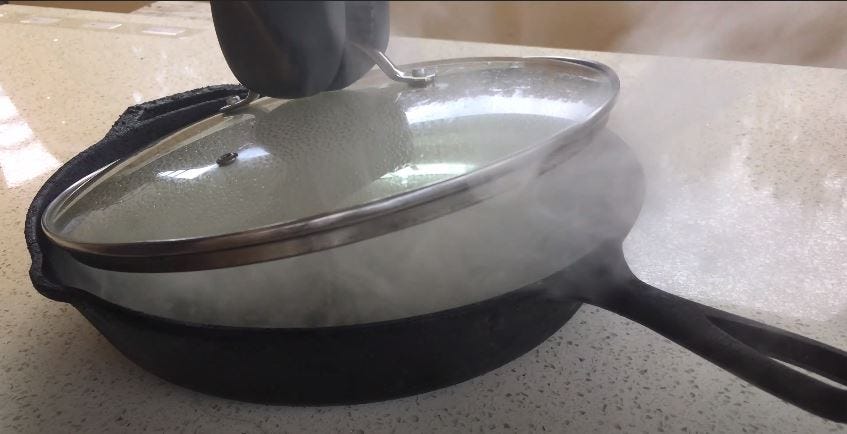
The key to the difference when one is looking at hot pans on quartz vs granite is the composition of each material. Granite is a natural stone that has been exposed to high temperatures during its formation, and this is the reason why it has high heat resistance naturally. Quartz, however, is a man-made product and comprises crushed quartz mixed with resins. Thus, quartz surfaces are vulnerable to heat shock and especially if a hot pan is placed directly on the surface.
Granite vs Quartz Heat Resistance Explained
Regarding granite vs quartz heat resistance, generally, granite is the better performer. A 2025 study indicates that granite can withstand a short time contact with cookware heated to over 400°F without incurring damage. On the contrary, quartz may get stained or even cracked at temperatures exceeding 300°F because of its resin element. Thus, granite is a better option to provide more heat tolerance in homes where cooking is a regular thing.
Habits of Cooking and Risk Factors
Certainly, habits of cooking on a daily basis are also important. The fact is that most cooking activities do not require one to place extremely hot pans directly on the countertop. Nevertheless, accidents are bound to happen. To protect quartz surfaces, one should always use trivets or heat pads. Granite being more tolerant, the hardness of the sealing layer may be reduced if it is repeatedly exposed to heat in the same spot. This is why using safe methods is advantageous in both cases.
Heat Exposure and Its Long-Term Effects
Eventually, the repeated heat stress of the countertops may cause changes in both the appearance and the structure of the countertops. Following the kitchen durability information of 2026, it has been found that worktops that have been exposed to continuous direct heat at least for ten years, have 20% more surface wear than those that have not been exposed. Hence, knowing the heat reaction property of each material is a smart move from a cost-saving point of view as it helps one avoid repair or replacement expenses.
Which Countertop Is Safer for Heat-Heavy Kitchens?
For kitchens with heavy cooking routines, granite is often the safer option due to its natural heat resistance. Quartz remains popular for its low maintenance and clean look, but it requires extra care around heat. As a result, the best choice depends on how the kitchen is used daily.
Both materials can perform well when used correctly. By pairing good habits with the right kitchen countertops, homeowners can enjoy both beauty and safety. Understanding heat resistance before choosing ensures a surface that stays strong and reliable for years to come.